When DevOps is manually implemented, not documented, and reliant on one or two engineers with the skills and knowledge, it can be a serious roadblock for growth.
That was the problem Autura had. Serving customers nationwide, and part of a roll-up company, they simply didn’t have the tools to automate the multi-layered complexity of their DevOps and CI/CD pipelines.
In this case study, we’ll show you how we helped Autura overcome the challenges caused by legacy architecture by automating DevOps and CI/CD pipelines and making them easier to manage across teams.
Key Takeaways
- Over 60 police, fire, and other emergency services rely on Autura nationwide to dispatch over 370,000 tows per year safely and quickly to emergency scenes.
- Autura’s architecture was legacy-based, and DevOps was completely manual, with very little written down. Everything relied on a couple of engineers with the knowledge and skills.
- Autura needed a solution that made it easier to focus on developing new features and products and spend less time on DevOps and CI/CD pipelines.
Business Benefits
- Fully automated CI/CD pipelines
- A huge increase in non-production environment efficiency
- No longer reliant on one or two critical engineers
The Challenge
Autura started in San Francisco to make it easier and safer to get tow trucks to emergency scenes more quickly. 22 years later, Autura has transformed towing operations nationwide, improving safety and driving efficiency across the industry.
In 2026, Autura operates in 13 of the 25 top US cities and works with over 60 partner police, municipal, fire, and emergency service agencies. It has a network of over 3,000 towing and recovery service providers.
In that time, Autura has been responsible for dispatching over 370,000 tows per year, with an average response time of 12.5 minutes, resulting in a 30% reduction in secondary crashes and struck-bys. However, the legacy architecture behind the scenes was outdated, and this was starting to cause problems for the development, engineering, and QA teams.
At the same time, Autura has become part of a group of companies. In none of these is a team of DevOps engineers. This made DevOps one of the biggest headaches, causing serious bottlenecks for growth.
Here were the challenges the team struggled with before working with DuploCloud:
- Development and engineering processes weren’t documented.
- CI/CD pipelines and DevOps were manual, and it was hard to tell what was deployed, by whom, and why.
- The entire company relied on one or two engineers to manage the codebase and deployments.
- Within DevOps, things broke too often, and it was further complicated by Autura being a roll-up company.
- Bringing together 8 different companies and engineering teams further complicated DevOps processes and systems. Things were breaking too often, causing problems across the organization.
- All of this limited the time available to develop new features and innovate.
The Solution: Automated DevOps & CI/CD Pipelines
With DuploCloud, Autura moved from manual, undocumented pipelines to a documented and automated CI/CD workflow that teams could use consistently across the organization.
In practice, this meant:
- CI/CD workflows that were documented, labelled, and easier to understand across teams
- Less reliance on individual engineers to deploy or fix issues
- Non-production environment work that could be handled through automated processes instead of manual steps
- Easier coordination across teams inside a roll-up company, since workflows were standardized and easier to follow
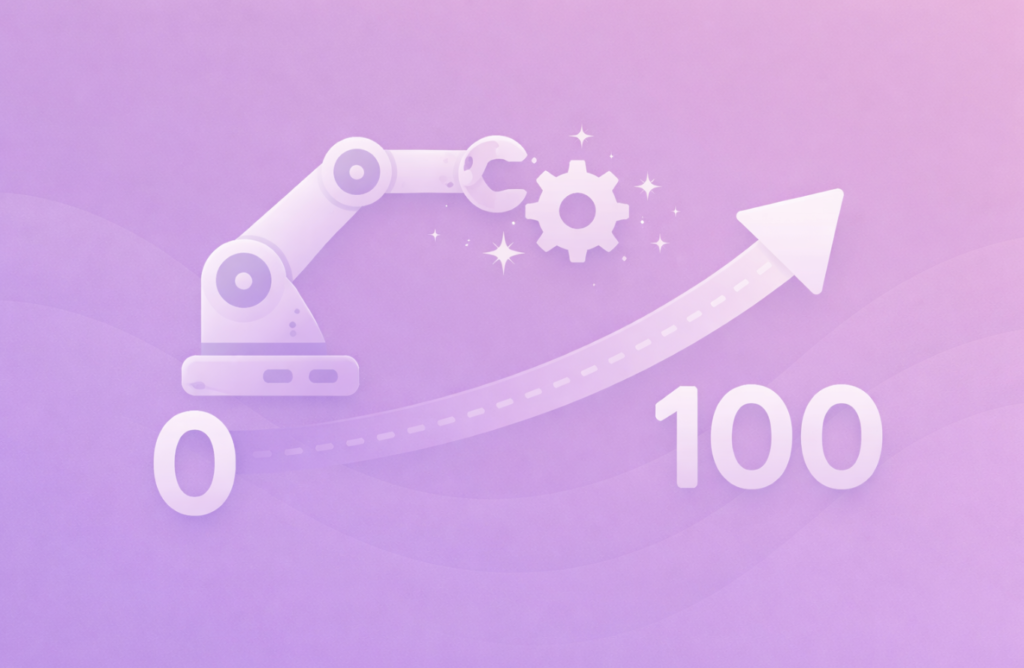
Zach Allia, the CTO of Autura, said: “DuploCloud took our CI/CD pipelines from zero to 100 basically. Before, it was just a complete manual mess, and it was almost impossible to figure out what everyone was doing. Nothing was labelled, documented, or organized.”
“Now, thanks to DuploCloud, we’re in this fully automated world, and it’s really a game changer.”
Autura no longer has to wait for one or two engineers to hit deploy. Developers can go on holiday without worrying that they have the one piece of knowledge the company needs to fix a problem, push an update, or make changes to the non-production environment.
Now, everything within the non-production environment is automated. The CTO and other leaders within the business don’t need to worry about the CI/CD pipelines. It’s documented, labelled, and easier to navigate, manage, and fix if anything breaks.
DevOps automation also makes it easier for Autura engineers to work with others across the group as required. Being part of a roll-up company means synchronising processes and systems, and that’s much easier to achieve when DevOps is automated and documented.
Impact for Autura
All of this automation supports Autura’s ability to:
- Innovate faster and ship new features with fewer DevOps bottlenecks
- Improve non-production environment efficiency for engineering and QA teams
- Reduce reliance on one or two critical engineers
- Onboard new developers faster, since workflows are documented and easier to follow
DevOps as a Competitive Advantage
With DuploCloud, companies like Autura gain numerous automated DevOps advantages, including:
- Integrated experience: DevOps tooling and workflows in one place
- Reduced operational burden: Streamlined deployments and less manual maintenance
- Faster delivery: Automated workflows shorten cycles and let developers focus on product work
- Standardized processes: Easier collaboration across teams, including within roll-up organizations
- Clearer access and ownership: Less confusion around deployments, changes, and responsibilities
- Expert support: Acts as the company’s extended DevOps team
- Improved productivity: Teams refocus on building the product rather than managing DevOps tooling and CI/CD configurations
Ready to explore how we can handle Automated DevOps and CI/CD Pipelines? Letting us take care of your DevOps can accelerate your growth and help you serve more customers. Book a demo with us today.